
No products in the basket.


Без категория
Cigar Wrapper – Everything you need to know about cigar wrapper

28
Jan
Jan
There are varying opinions that all parts of the cigar are equally important, but in our opinion the wrapper leaf deserves the most attention.
Wrapper – The wrapper is the outer leaf of the cigar that holds the inner tobaccos (the filler and binder tobaccos). Aside from the brand (make) and shape of the cigar, the wrapper is one of the first things that will build the initial impression of your cigar. For this reason, cigar manufacturers are very discerning with the selection of this tobacco. It must be smooth in texture, lustrous, flawless and attractive in appearance, suggesting a unique taste. An added advantage is that the leaf used must be large to avoid too many lines when rolling.
They are characterized by their color, the variety of seed, the country of origin (where the plants are grown), the fermentation process and the method of cultivation, which mainly determine the specific taste and aroma of the cigar. The wrapper leaf is the most expensive part of the cigar and receives the most attention and care in the cultivation, fermentation and production of premium cigars.
There are a lot of terms used to describe the wrapper leaf that may confuse you at first, but this article will clear it all up and is sure to help anyone just getting into the world of cigars.
What tobacco leaves are used for the wrapper leaf?
The ideal and attractive wrapper leaf is a thin and delicate leaf with as few visible veins as possible and a smooth texture, for this reason Ligero tobacco is not used as it is often too thick and rough. At the same time, the buttery sheen and intense aromas are considered quite important, which excludes the tasteless and dry Velado (Viso) leaves. The tobacco for the wrapper is therefore usually made from the Seco leaves of the plant. They are oily and aromatic without being too thick and stringy, nor too soft and brittle. You can read about Ligero, Seco and Velado leaves here: LINK
What are the different colors of the cigar?
Most basically, the colors are divided into two main categories: light brown (Natural) and dark (Maduro). The factors that influence the color, strength and taste are the amount of sunlight the plant receives, the duration and temperature during the fermentation process, etc. Natural are usually golden or light brown. The most common with this color are Connecticut Shade and Ecuador Connecticut.
The term Maduro translated (ripe or aged) is actually used to refer to the fermentation process of the leaf or the way it is aged. These leaves go through a specific fermentation process, under special conditions of heat and humidity, to allow the natural oils of the leaves to come to the surface and develop to achieve a variety of dark brown colors and sweet, intense flavors. The most famous Maduro-colored tobacco is Connecticut Broadleaf.
Although the wrapper is only a small part of the cigar, its color can serve as an indicator of the cigar’s flavor and strength. Lighter colored Natural cigars are perceived as milder, with tasting notes of almonds, cashews, cedar and toast, with light to moderate hints of spice. While the darker Maduro cigars are more full-bodied and carry richer, more complex and sweet flavors. However, this is not entirely determinative and color is not always a reliable guide. Although you can divide the majority of cigars into Natural or Maduro, there are more specific types of colors that fall into one of these two categories.

Candela Wrapper
AKA: Clarisimo, Double Claro, American Market Selection.
Claro Wrapper
Typical of Connecticut Shade.
Colorado Claro Wrapper
AKA – Natural.
Colorado Wrapper
Unlike Claro Wrapper, the fermentation process is longer.
Colorado Maduro Wrapper
A variant between the Colorado and Maduro leaves, as the name suggests. Some cigar experts and aficionados argue that because it is slightly less drying than the Maduro wrapper, the Colorado Maduro retains a more flavorful flavor profile.
Maduro Wrapper
The color is related to the fermentation process.
Oscuro Wrapper
Also known as: Double Maduro, Negro, Black. Like Maduro, Oscuro is taken from the tallest leaves exposed to the most sun. However, they are left on the plant as long as possible before being cut. Once cultivated, they endure a much more intense and longer fermentation process than Maduro, which can last for years.
Terminological glossary of the wrapping sheet
Brazilian
The most famous of the Brazilian cigar wrapper tobaccos is Mata Fina, grown in Recôncavo in Brazil, a strip of land near the northeast coast. They have a dark brown to black color, specific notes of coffee bean and pepper with a moderate sweetness. Popular blends with a Brazilian wrapper are Drew Estate Herrera Esteli Maduro, AJ Fernandez Bellas Artes Maduro, and some of the Kristoff series.

Drew Estate Herrera Esteli Maduro
Cameroon
Grown in Cameroon as well as in the neighboring Central African Republic. They are notable for their delicate, a little dry texture and are light to medium brown. The rich soils of the region yield interesting, unique flavors that offer a wonderful balance of natural sweetness and spice. Cigars you can try with this wrapper include the Rocky Patel Vintage 2003 Cameroon, the Perdomo Reserve Limited Cameroon Edition, and the AJ Fernandez New World Cameroon.

AJ Fernandez New World Cameroon
Candela
These are the easiest cigars to recognize, specific for their green color. The leaves are removed from the plant before they reach maturity. They are then stored under extreme conditions (high heat and humidity) for about 24 to 48 hours; they are then cooled quickly to preserve the chlorophyll colour, which gives it that characteristic green hue. Candela are very mild cigars, they have a grassy tea aroma with hints of cedar and pepper. A good start for first time smokers. We offer the interesting Drew Estate Kentucky Fire Cured Swamp Thang Swamp Rat cigar, which has two types of wrapper: the Candela and the Natural from Sumatra.

Kentucky Fire Cured Swamp Thang & Swamp Rat
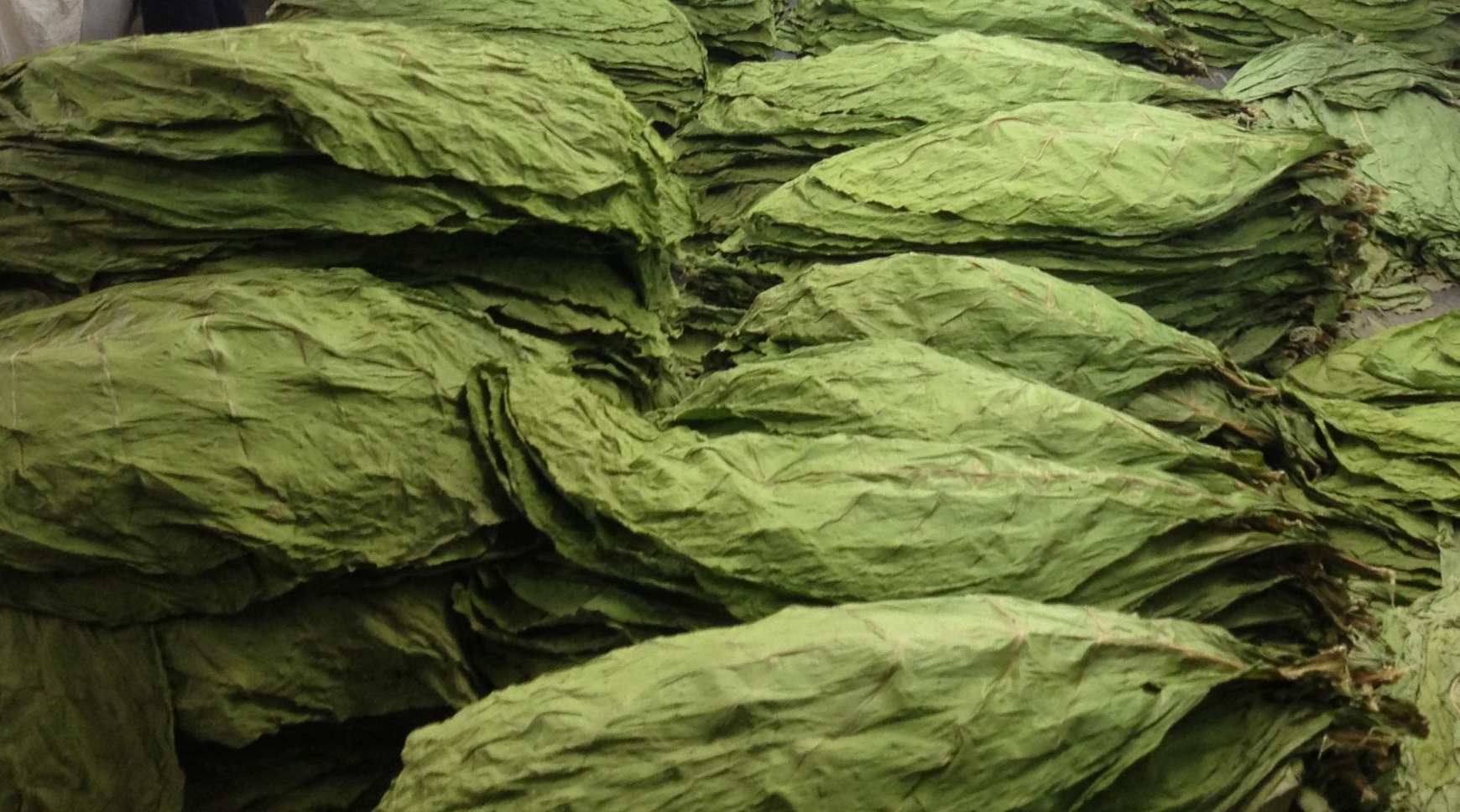
Candela Wrapper
Connecticut
Produced in the northeast region, around the Connecticut River Valley. The rich soils in this region produce unparalleled yields. They are usually golden brown in color. The taste is sweet, rich and creamy due to the lower intensity of sunlight in the region compared to other regions closer to the equator. There are several known variants of this wrapper leaf, these are Shade and Broadleaf.
Connecticut Broadleaf
The most famous Maduro-colored wrapper is the Connecticut Broadleaf. It has a dark brown buttery color, can be almost black. It is grown in direct sunlight. It has an authentic sweet flavor and notes of raisin, cedar, dark chocolate, chestnut, cassis and spice. The aging and fermentation process mellows the tobacco considerably, imparting a natural sweetness to the cigar that contradicts misconceptions that the wrapper color is responsible for the cigar’s strength. Great Connecticut Broadleaf cigars are the Drew Estate Liga Privada No. 9, Drew Estate Liga Privada Unico Serie UF-13, Drew Estate Liga Privada Unico Serie Bauhaus, and the AJ Fernandez Enclave Broadleaf.
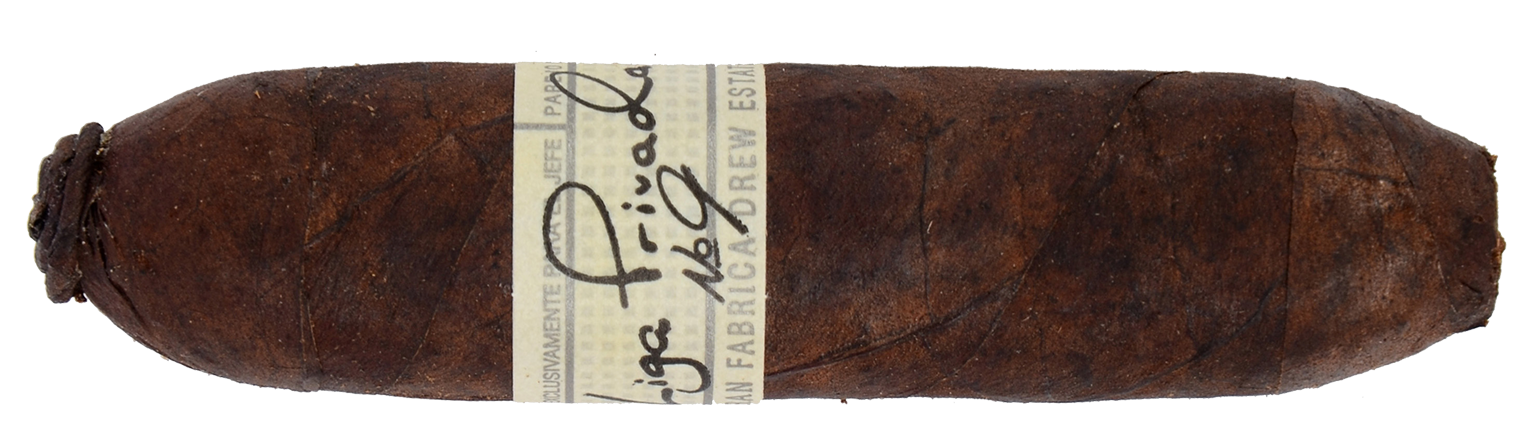
Drew Estate Liga Privada No. 9
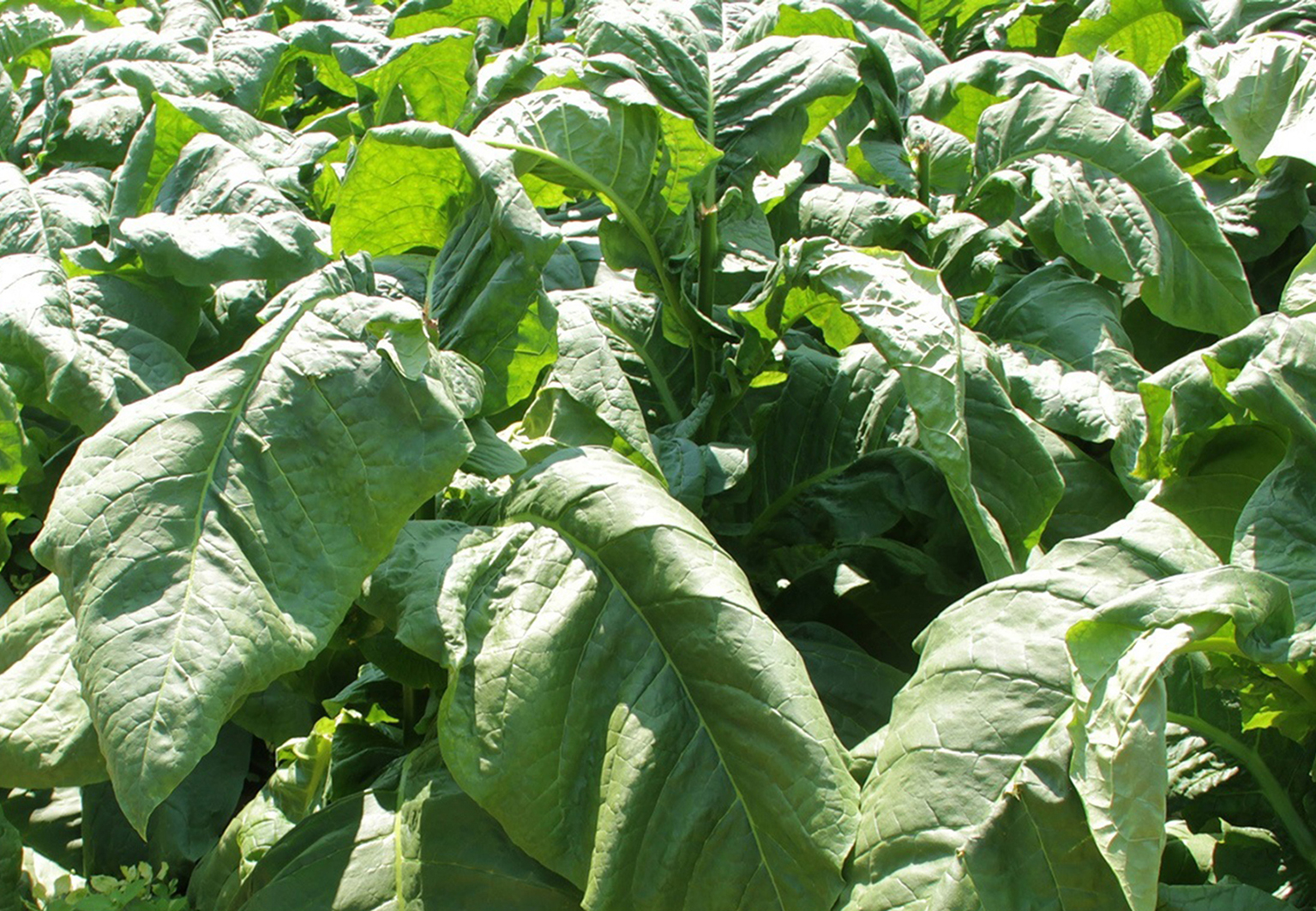
Connecticut Broadleaf
Connecticut Habano
А less common variant of the Connecticut wrapper. It is grown from Cuban seed (Habano). The reason so many regions of the world use Cuban seed is that some of the best cigar makers fled their country in the years after the revolution. With them they took the seeds they needed to continue their legacy. Nowadays, these seeds are mostly grown in Ecuador (Ecuador Habano). In recent years, experimental cultivation of these seeds has begun in the Connecticut region, which has created this flavor-rich tobacco.
Connecticut Shade
Is among the most prized varieties grown for premium cigars. With a golden-brown color, with a light silky texture. This tobacco is grown in the Connecticut River Valley, as the name suggests, the plants are grown protected from direct sunlight with a net erected over the crop. The effect simulates a naturally cloudy sky, shielding the plants from direct sunlight exposure. Cultivation is an expensive and risky process with high maintenance and labor-intensive harvesting. The result is a flawless tobacco leaf, with exquisitely balanced nicotine density. Creamy notes of almonds, cashews and coffee with cream characterize Connecticut Shade cigars. Rocky Patel Vintage 1999 Connecticut and AJ Fernandez New World Connecticut are typical examples of cigars with this wrapper leaf.

AJ Fernandez New World Connecticut
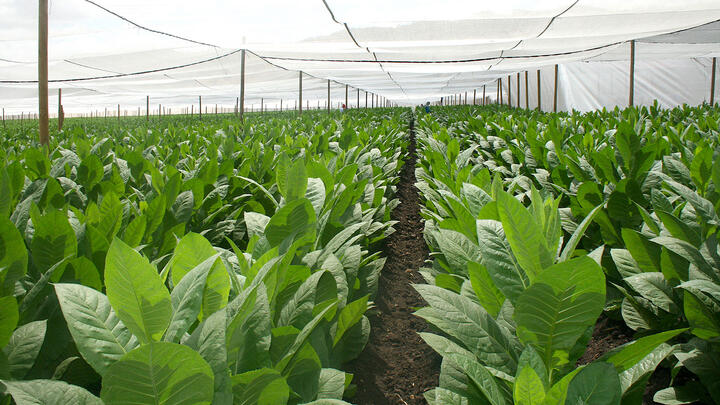
Connecticut Shade
Corojo
A variety of tobacco that originated in Cuba and is mainly produced for wrapper tobacco. It is grown mainly in the Jamastran region of Honduras, and hybrid seed varieties of Corojo have been developed and are grown in other regions, such as Nicaragua and Connecticut. The color ranges from light brown to dark with a reddish-brown hue, a strong spicy flavor profile and a peppery yet sweet aroma. One of Rocky Patel’s best-selling cigars is The Edge Corojo. With Corojo from Honduras are the Rocky Patel Number 6. Cigars with Nicaraguan Corojo Oscuro are My Father Don Pepin Clasicos and My Father Don Pepin Original. The Corojo seeds were developed by Diego Rodriguez at his Santa Inés del Corojo farm in the province of Pinar del Rio. Preferred wrapper leaf by Christian Eiroa for CLE, Eiroa and Asylum cigars.

Rocky Patel Number 6

Corojo in the plantation of Christian Europe
Criollo
Another classic Cuban tobacco plant that has a centuries-old history. It translates as ‘native seed’. It can be traced back to the era when Columbus discovered the New World. Today Criollo is grown in Nicaragua, Mexico and Honduras. Criollos are reddish, earthy brown in color and contain notes of molasses, cedar, coffee beans and plenty of spice. Kristoff Criollo are medium to strong cigars with a Criollo wrapper grown in Honduras.

Kristoff Ligero Criollo
Dominican
Grown exclusively at Chateau de la Fuente in the Dominican Republic and are golden to reddish brown in color. They have a spicy intense flavor with a characteristic creaminess.
Ecuador
The predominant region for the production of wrapper leaves in recent decades.
Ecuador Connecticut
The result of Connecticut seed planted and grown in Ecuador. They are similar in color to Connecticut Shade with a golden, light brown color and are slightly drier. The taste features notes of white pepper, leather, nuts and a bouquet of spices. A great example of this type of wrapper is Drew Estate Undercrown Shade, My Father Connecticut and Rocky Patel The Edge Lite.

Drew Estate Undercrown Shade
Ecuador Habano
Cuban seed tobacco growing in Ecuador. They range in color from medium to dark brown, with some having a reddish tint. This tobacco has a rich spicy flavor accompanied by notes of coffee, spices and pepper. A wrapper preferred by many famous cigar makers. Rocky Patel with 15th Anniversary , RP Super Ligero and Rocky Patel LB1, AJ Fernandez with Enclave Habano and San Lotano Oval Habano, My Father Cigars with Flor De Las Antillas Maduro are cigars with this wrapper. As well as My Father La Antiguedad made Habano Rosado Oscuro with a unique reddish brown color.

My Father La Antiguedad
Ecuador Sumatra
Different from Indonesian Sumatra tobacco, as it is a cross between the Sumatra variety and Cuban tobacco, which originated in Cuba. Grown in Ecuador, where the conditions are perfect: natural cloud cover that filters out the sunlight and rich volcanic soils. The color is a rich, chocolate brown. Ecuadorian Sumatra is richer, with a stronger and spicier flavor profile and aromas of cedar, raisins, pepper and leather. You can appreciate this wrapper with the Rocky Patel Vintage 1992, Rocky Patel Royale, Rocky Patel Decade, My Father The Judge and Drew Estate Undercrown Sungrown cigars with a sun grown Ecuadorian Sumatra wrapper.

Drew Estate Undercrown Sungrown
Habano
Comes from tobacco with Cuban seeds. Two types of Habano and Habano 2000 have been developed. Both come from Cuba and are hybrids engineered for greater disease resistance. Mainly grown in Ecuador and Nicaragua. Extremely popular cigars, with a spicy and intense flavor. Dark in color and rich woody and earthy flavors with hints of coffee bean, leather and spice. Created especially for Best Cigars – Bulgaria and all our customers, El Mago by Rocky Patel is a cigar carrying all the qualities of this tobacco grown on Rocky’s plantations in the Jalapa Valley of Nicaragua.

El Mago от Rocky Patel
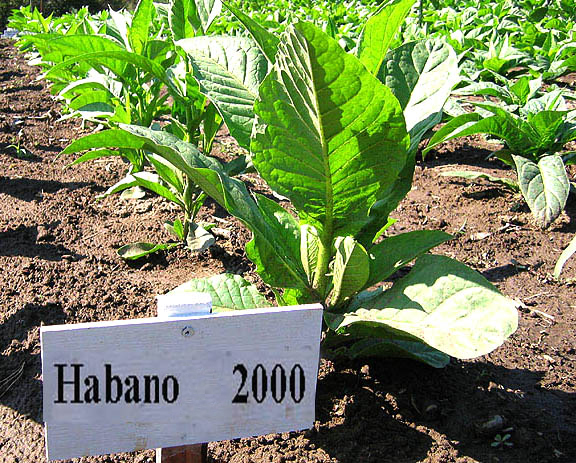
Habano 2000
Honduran
Premium cigar leaves are grown throughout Honduras, but the most important region is located north of the country’s border with Nicaragua in the southeastern region of Honduras in a province called El Paraiso. There are two areas where tobacco has long been grown: the Jamastran Valley with its fertile soil and the Danli area. These tobaccos have a deep brown colour, some with a mahogany tinge. They deliver notes of cocoa, wood and chili. One of Rocky Patel’s cigar factories is in Danli. This is the El Paraiso factory where Decade, Twentieth Anniversary, Sun Grown and all of The Edge’s varieties are made.
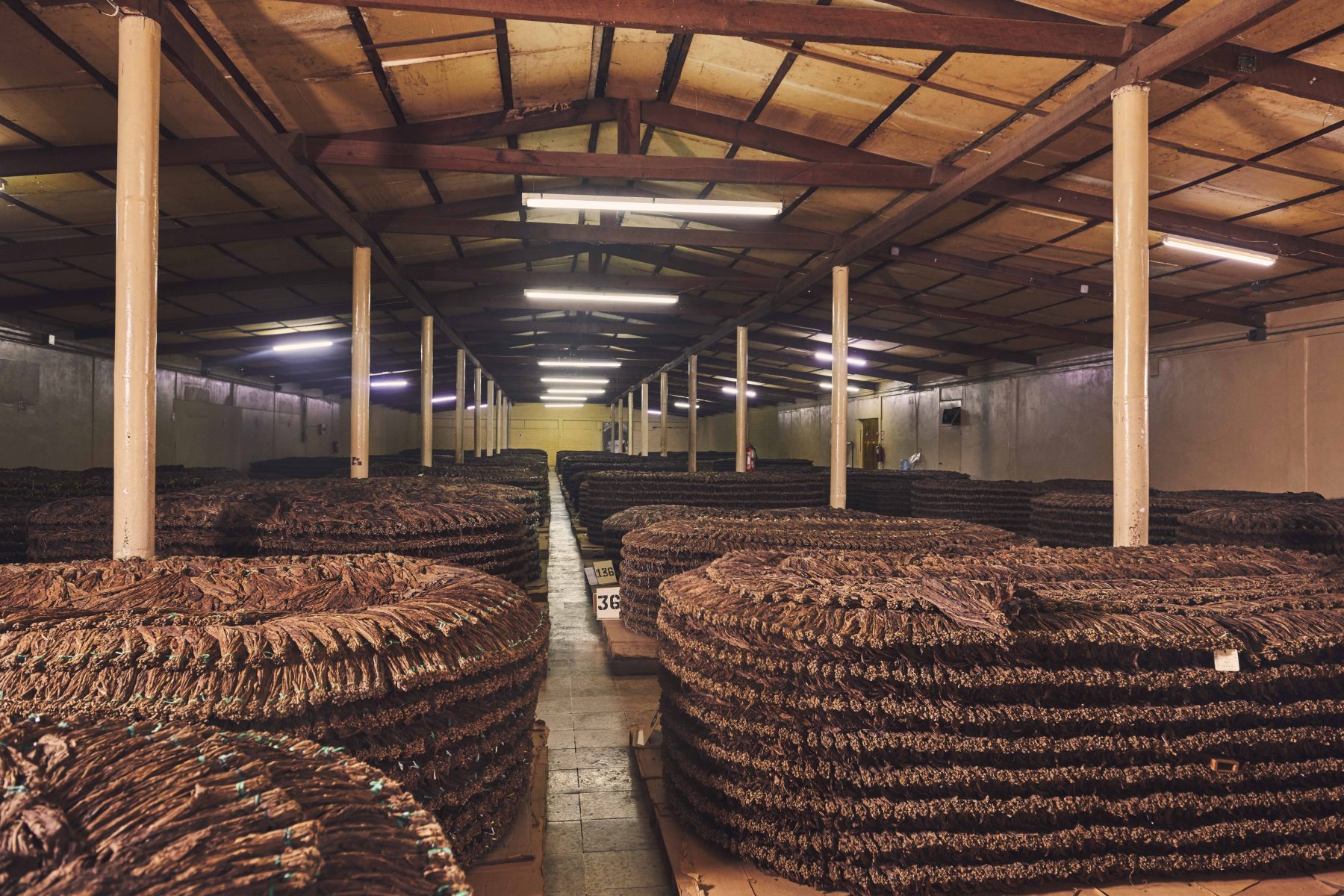
El Paraiso
Indonesian
Indonesian tobaccos are traditionally used in machine made cigars and less commonly for hand made. They are mainly used as filler and binder tobaccos and, on rare occasions, as wrapper tobaccos.
Mexican – see San Andrés
Nicaraguan
Nicaraguan tobacco leaves are world famous and all cigar lovers know what the reason is. This tobacco makes incredibly good cigars. Nicaragua’s rich volcanic soils are extremely good for growing tobacco. The Nicaraguan wrapper lends flavor notes of cinnamon, cayenne pepper, cedar, cocoa, black pepper and toasted nuts. Its color ranges from medium brown to dark chocolate brown. Famous types are Nicaraguan Habano, Nicaraguan Corojo and Nicaraguan Criollo. Production is mainly concentrated in Esteli and the Jalapa Valley. Tobacco is also grown in the Condega Valley north of Esteli, but the leaves of the Condega are most commonly used as binder tobacco. The town of Esteli is a thriving center of the industry, home to Rocky Patel’s TaviCusa boutique factory, the Tabacalera Perdomo factory and that of A.J. Patel. Fernandez.

Perdomo 20th Anniversary
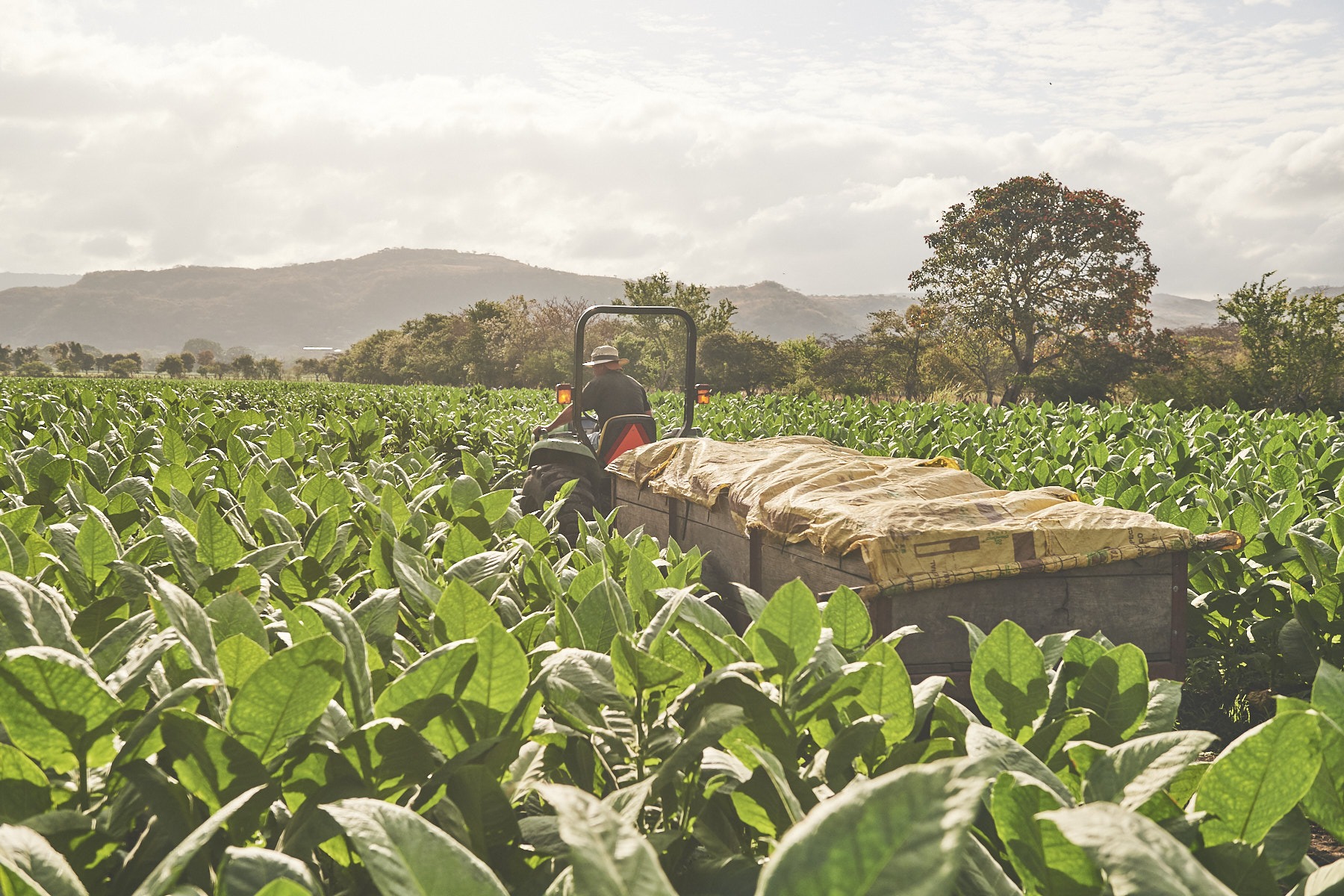
Rocky Patel’s plantation in Nicaragua
Pennsylvania Broadleaf
Pennsylvania has a rich history in tobacco farming that dates back to the 17th century. It is primarily grown in the Lancaster area. Although the climate is similar to the Connecticut River Valley, the two regions produce very different tobaccos due to their different soils. Pennsylvania Broadleaf has a coarser texture, with a dark brown color. It is stronger and spicier than Connecticut Broadleaf. AJ Fernandez Last Call Maduro are medium to strong cigars, with rich earthy flavors of molasses, nuts and pepper, made with Pennsylvania Broadleaf Maduro.
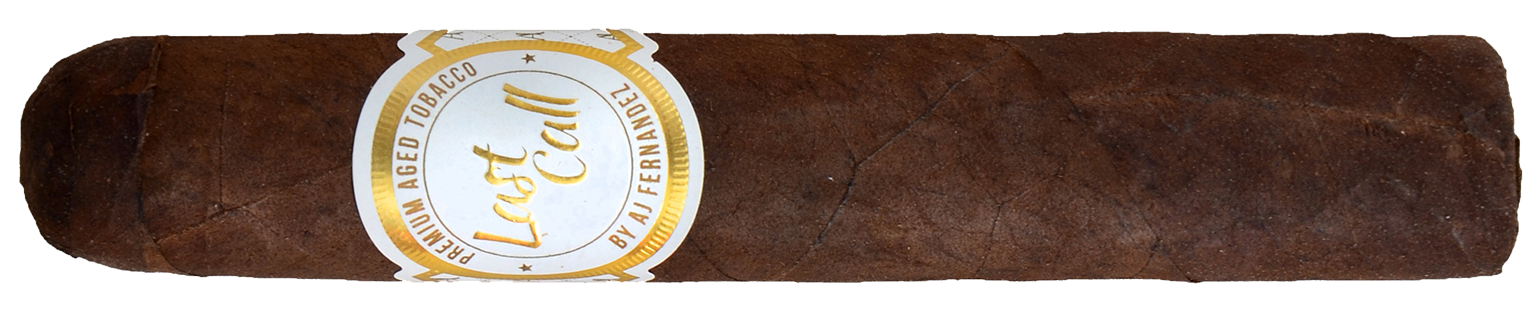
AJ Fernandez Last Call Maduro
San Andres
The San Andres Valley in the state of Veracruz, Mexico is a place with nutrient-rich volcanic soil suitable for growing exceptional tobacco. The humid climate and prevailing winds from the Gulf of Mexico are a great influence on tobacco crops. Mexican San Andres Negros tobacco seeds are even believed to have preceded Cuban seeds, spreading from Peru to Central America, into Mexico and then the Caribbean. The leaves are persistent, dense and lend themselves to prolonged fermentation. Dark brown to almost black in color, they can be buttery and glossy or very slightly dry. Notes of cocoa, pepper, coffee, dark chocolate and peppery spices are specific to these tobacco leaves. Our offerings with this wrapper leaf are Drew Estate Undercrown Dojo Dogma, Drew Estate Norteño by Willy Herrera, Rocky Patel Cigar Smoking World Championship, and AJ Fernandez San Lotano Requiem Maduro.
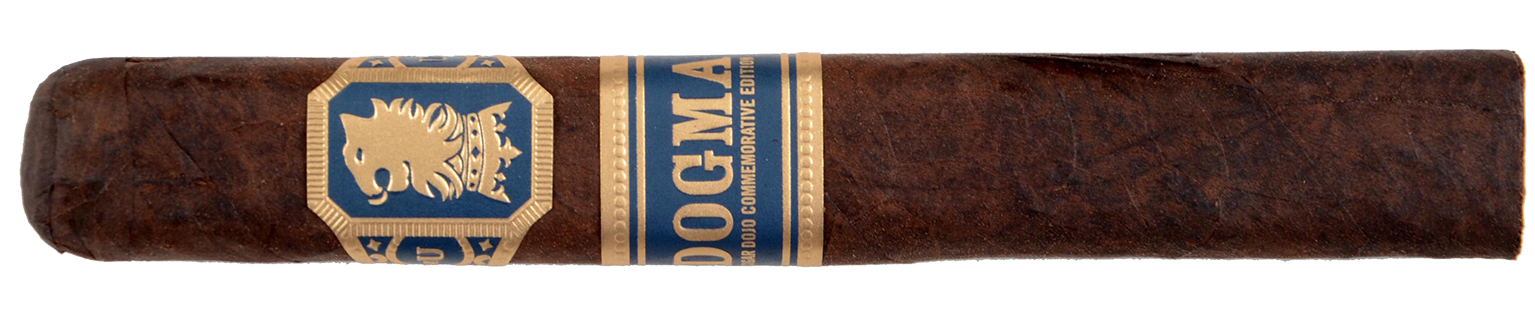
Drew Estate Undercrown Dojo Dogma
San Andres Oscuro
Oscuro translated from Spanish means “dark”. Oscuro is achieved by a shorter fermentation period at a lower temperature, unlike Maduro. They are darker because they are harvested from the upper parts of the tobacco plant, which receive plenty of sunlight. As these leaves are exposed more time on the plant, they are thicker and darker in colour. The fermentation process results in a sweeter, richer flavour. San Andrés Oscuro have peppery notes of caramel, espresso, cocoa and make the cigars full-bodied and intense. My Father La Opulencia are strong and flavor-rich cigars, possessing all the characteristics of San Andrés Oscuro.
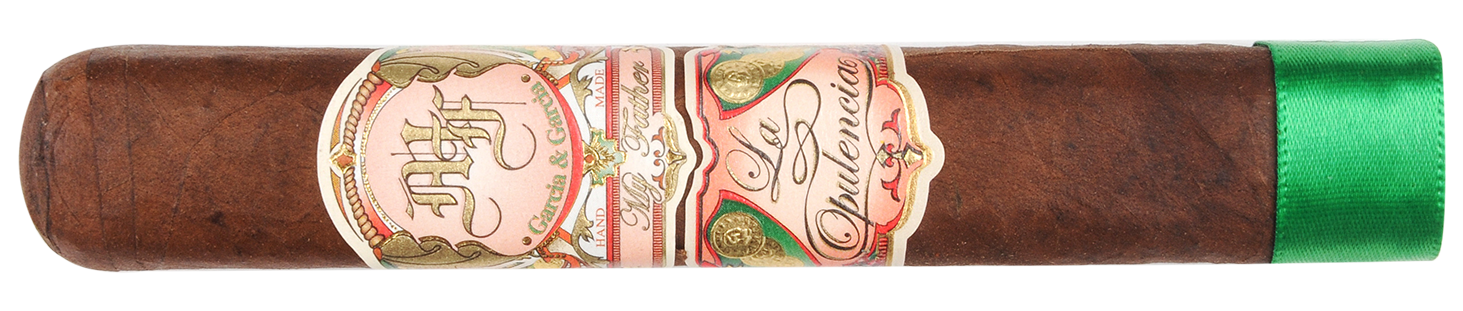
My Father La Opulencia
Sumatra
The Indonesian island of Sumatra produces bountiful harvests of tobacco. The most famous Sumatra wrapper tobaccos are actually grown in Ecuador from Sumatra seeds. The sweet, floral notes of cocoa, grass, cinnamon and earth make cigars with these wrappers mellow and perfect for smoking. Drew Estate’s infused Acid Cuba Maduro are cigars with Sumatra wrapper tobacco.
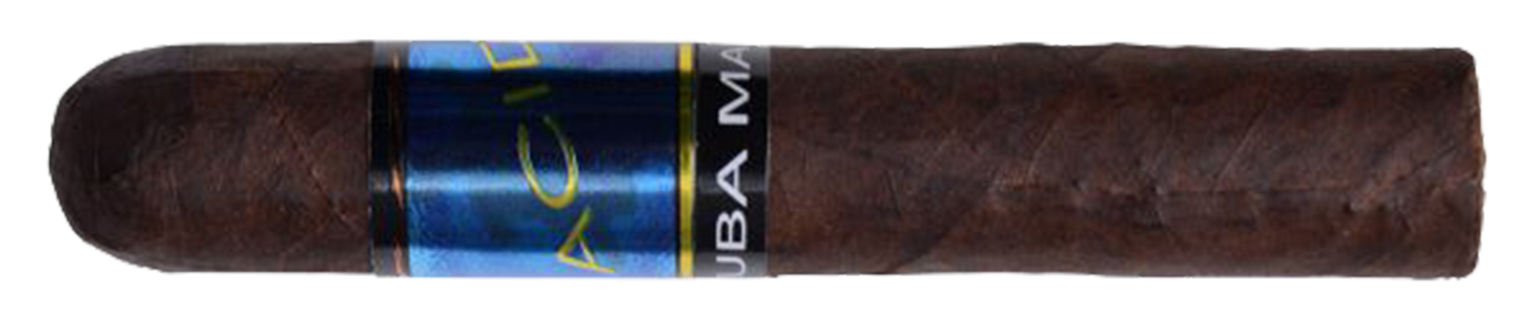
Drew Estate Acid Kuba Maduro
Sun Grown
Refers to the growing process, not a specific region or seed variety. Sun Grown covers are grown under direct sunlight without the use of a net to limit the light reaching the plant, as is done with Shade Grown. Wrapper leaves exposed to direct sunlight generate the natural oils in tobacco, so they are more saturated, thicker, glossier and stronger. They range in color from maroon to dark brown. Notes of nutmeg, cedar and sweet coffee are characteristic. Popular cigars include Rocky Patel Sun Grown Maduro, My Father Flor De Las Antillas, Perdomo 20th Anniversary Sun Grown, Liga Privada T52 and Drew Estates Undercrown Sungrown.

Rocky Patel Sun Grown Maduro
USA Connecticut
USA Connecticut is a way of categorizing Connecticut Shade and Connecticut Broadleaf wrappers that are grown in the USA (as opposed to Connecticut seed tobaccos grown in other countries, such as Ecuador).
Now that you’ve gotten this far, you’ll likely be able to better appreciate your favorite cigar and more easily navigate choosing a new one. Thanks for reading and remember, understanding comes with experience. Be curious and experiment.
